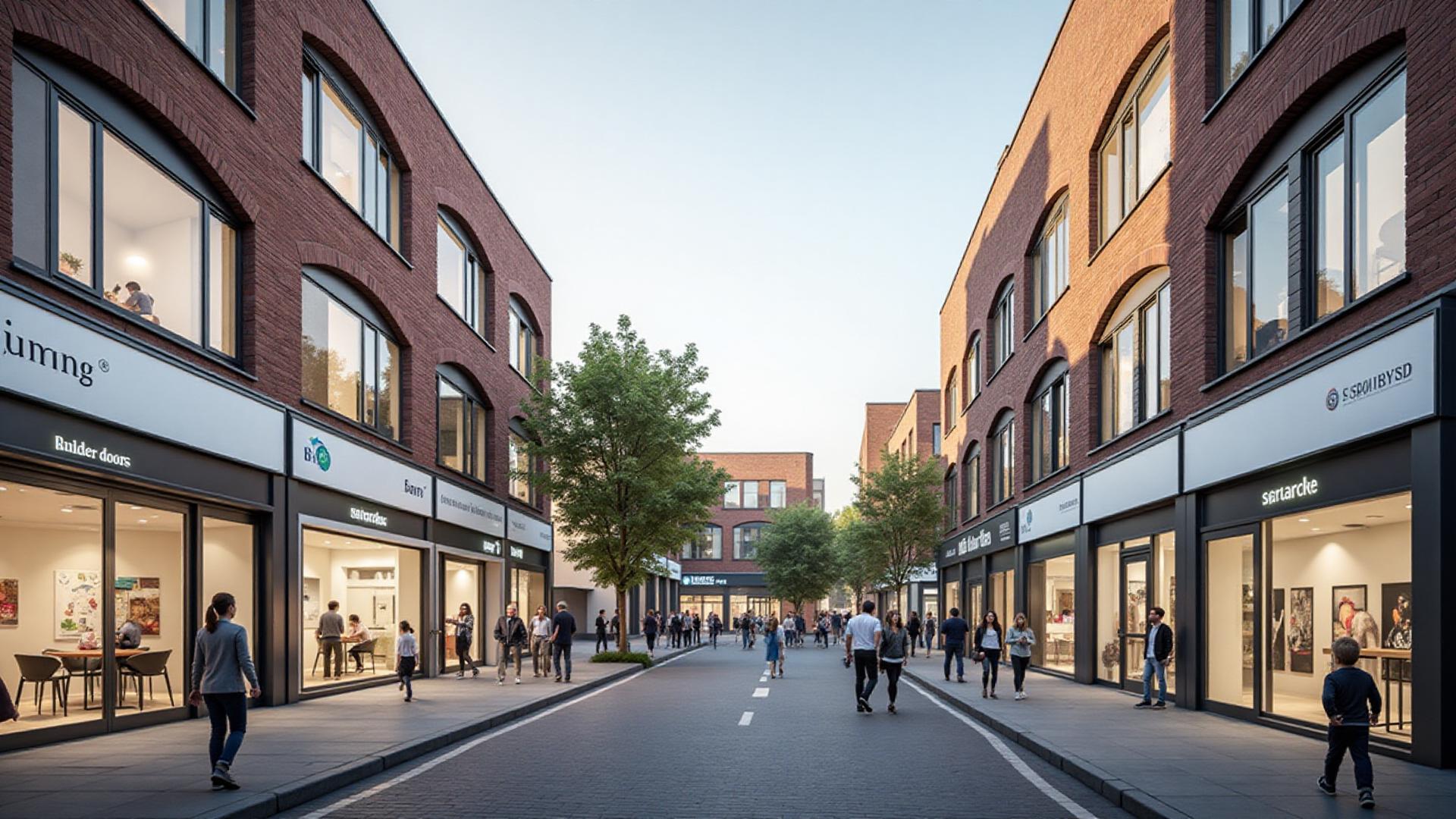
Britain is at a crossroads when it comes to health. On the one hand, we have one of the most advanced healthcare systems in the world, a proud NHS that has carried us for decades. On the other hand, we face an aging population, an overstretched system, and high streets across the country that are dying in plain sight.
Empty shops, shuttered storefronts, and declining footfall have become symbols of a changing society. But what if the solution to both problems — public health and dying high streets — could be found in the same place?
I believe we can rebuild Britain's health by reimagining our high streets as centres for affordable, accessible, everyday healthcare and wellness services. This is not only possible — it is urgently needed.
The Challenge We Face
Aging Population
of UK population will be over 65 by 2040
Rising rates of chronic illness, frailty, and preventable conditions put immense pressure on NHS, social care, and families.
NHS Under Pressure
waiting for basic physiotherapy & health checks
Much of the backlog isn't acute emergency medicine — it's everyday preventative care that should never reach crisis point.
Dying High Streets
units creating cycles of decline
Online retail shift, pandemic effects, and rising costs have left high streets struggling with boarded-up shops.
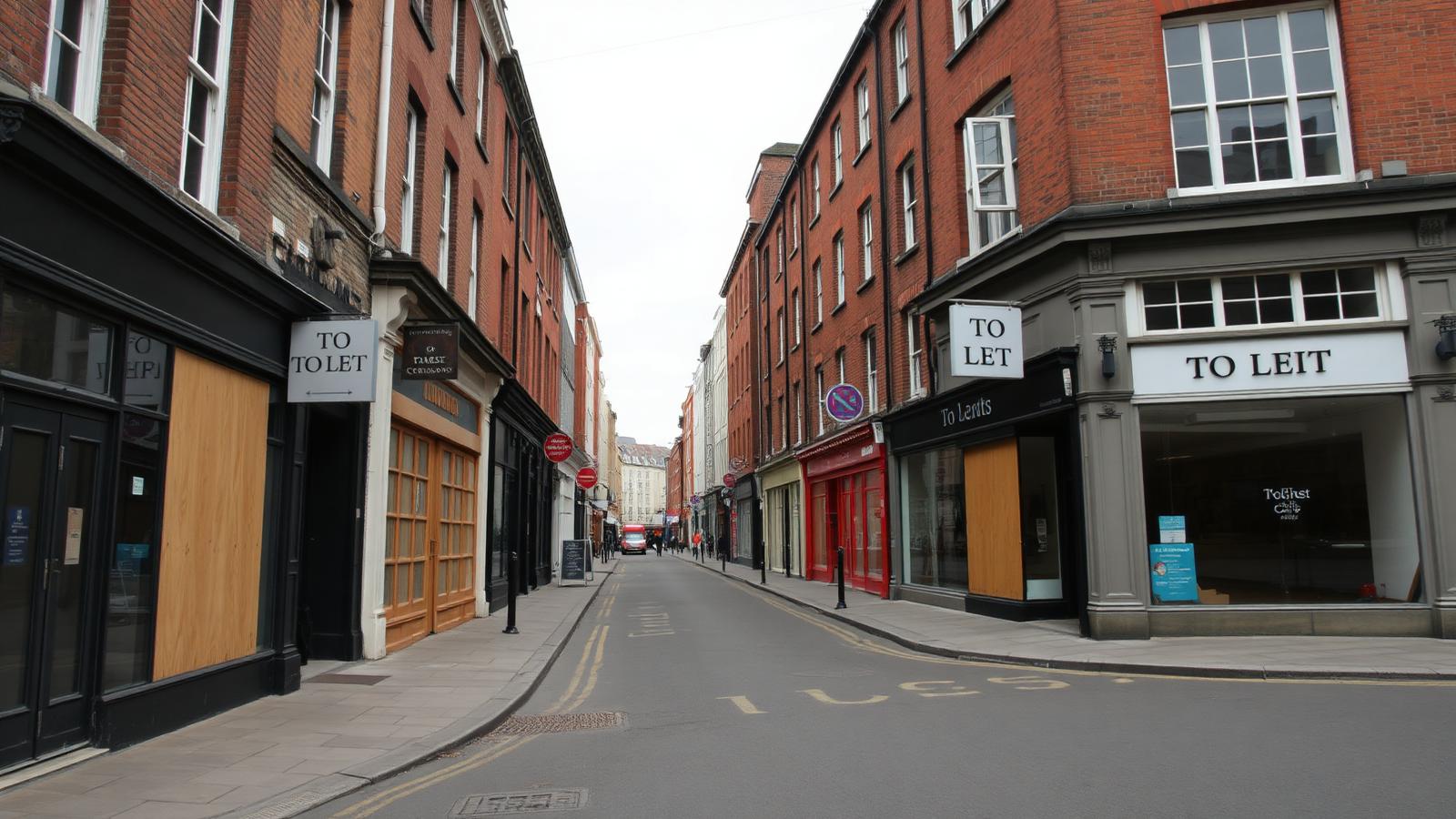
The reality of many British high streets today
A New Vision for the High Street
I believe we can address all three challenges with a single, bold idea: turn high streets into health and wellbeing hubs.
Imagine walking down your local high street and instead of rows of empty units, you find:
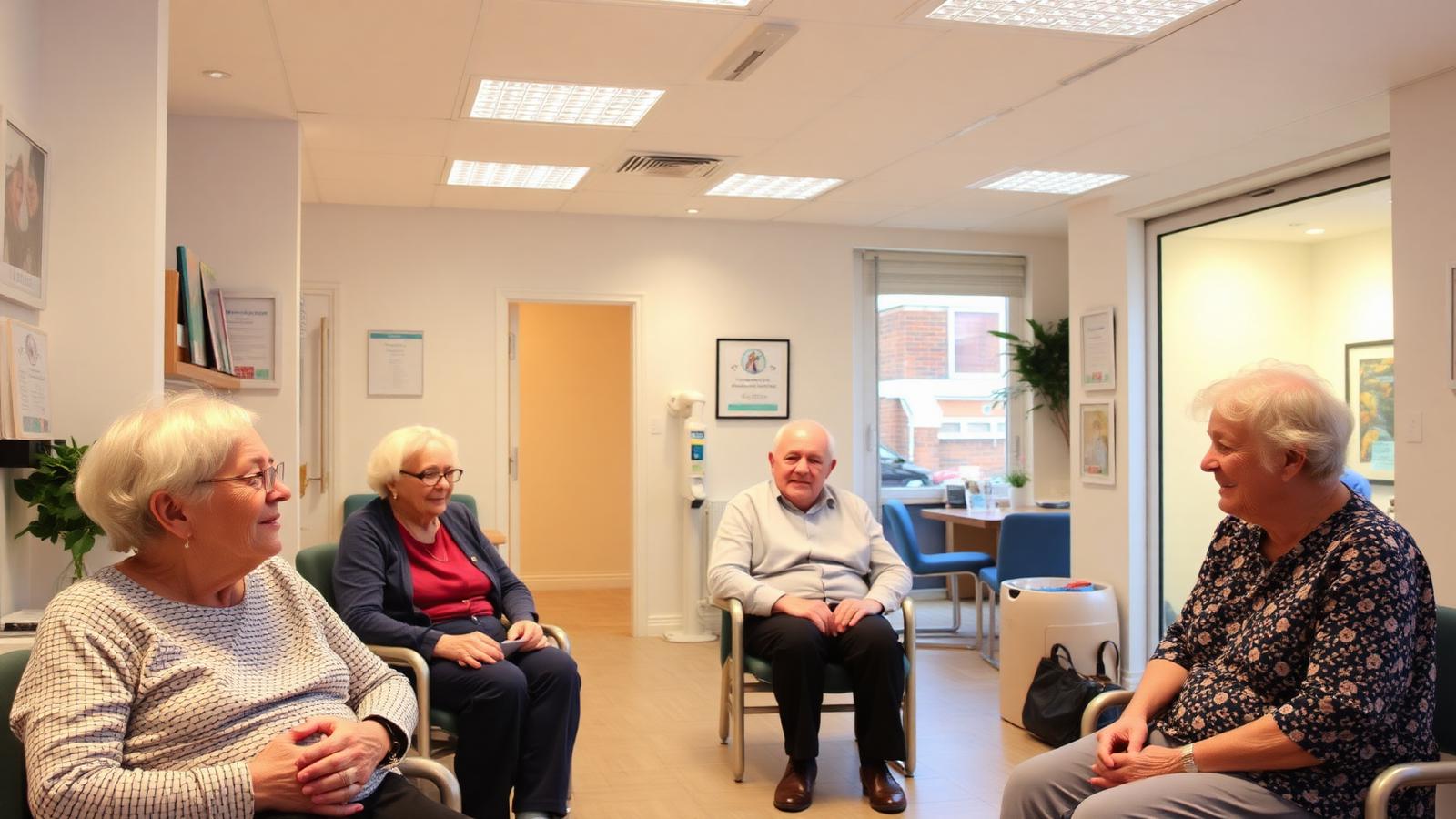
This isn't about replacing hospitals or GPs. It's about making healthcare accessible, local, and preventative — integrated into the very fabric of daily life.
Affordability is Key
For this to work, it cannot just be another expensive wellness fad. Services need to be priced at a level where everyone can access them.
Take physiotherapy as an example. If a session costs £10 for half an hour — a figure still above the UK's minimum wage for the practitioner — it becomes an option for ordinary people, not just the wealthy.
Economic Impact
Affordable services help individuals and save NHS money long-term by preventing conditions from escalating.
The Role of Councils and Local Authorities
Local councils are crucial in making this vision a reality. They must see themselves not just as administrators, but as champions of community health and enterprise.
Economic Incentives
- • Reduced business rates for health-focused services
- • Simplified regulations for clinics and practitioners
- • Local campaigns promoting health businesses
Strategic Planning
- • Integrate public health with town planning
- • Ensure wellness services in regeneration projects
- • Create living high streets meeting human needs
Benefits Beyond Health
Economic Benefits
New services create jobs, support local practitioners, and bring foot traffic back to town centres. Thriving health hubs boost surrounding businesses.
Social Benefits
High streets become places where people meet, connect, and build community. Restore shared life, combat isolation, and foster healthier towns.
National Benefits
Preventative, local health services relieve NHS pressure, reduce long-term costs, and help Britain remain competitive with healthier citizens.
Learning from Tradition and Innovation
This vision is not entirely new. In places like Thailand, temples such as Wat Pho combined medicine, massage, and spiritual care centuries ago, creating holistic hubs of community health. Similarly, in modern cities, wellness and medical services often blend into community spaces.
Britain can take inspiration from both tradition and innovation, adapting them to our context. With the rise of digital booking systems, AI health assessments, and wearable devices, high street clinics could integrate technology to make care even more effective and accessible.
Overcoming the Barriers
Of course, there are challenges. Some will ask:
Question
Can services really be delivered affordably?
Concern
How do we maintain standards of quality and regulation?
Trust
Will people trust high street clinics as much as hospitals?
These are valid concerns. But they are not insurmountable. Affordable pricing models, strong professional regulation, and integration with the NHS can ensure quality. Trust will grow as people see results and benefit from easier, quicker access to care.
A Call to Action
We are living through a period of immense change. The way we shop, work, and live has shifted, leaving many high streets behind. At the same time, our health system is under strain, and our population is growing older.
Instead of seeing these as separate problems, we should recognise the opportunity in bringing them together.
Councils must
prioritise incentives for health and wellness businesses.
Practitioners should
seize the chance to bring affordable services to local communities.
Citizens can
support and use these services, keeping health local and sustainable.
This is not just about medicine. It's about building a society where our town centres are once again places of life, energy, and care.
Conclusion: A Healthier, Stronger Britain
Britain doesn't need to accept declining health and declining high streets as inevitabilities. We have the talent, the resources, and the history of innovation to change course.
By turning our high streets into affordable health and wellbeing hubs, we can:
For me, as a doctor and a citizen, this is more than policy. It is personal. I have seen firsthand the strain our health system carries, and I have walked down high streets that feel like ghosts of what they once were.
The vision is simple but powerful:
Health on the high street, at a price everyone can afford.
If we can make this a reality, Britain will not only improve its health — it will rediscover its heart.
Dr. Ahmed Haq
Physician, Health Policy Advocate, Urban Planning Enthusiast
Dr. Ahmed Haq is a practicing physician with a passion for innovative healthcare solutions and urban planning. He advocates for practical, community-centered approaches to improving public health while revitalizing Britain's towns and cities.