The Mayfair Paradox: Reforming London's Parking to Protect Workers, Not Billionaires
By Dr. Ahmed Haq
Published on 18 September 2026
The Mayfair Paradox
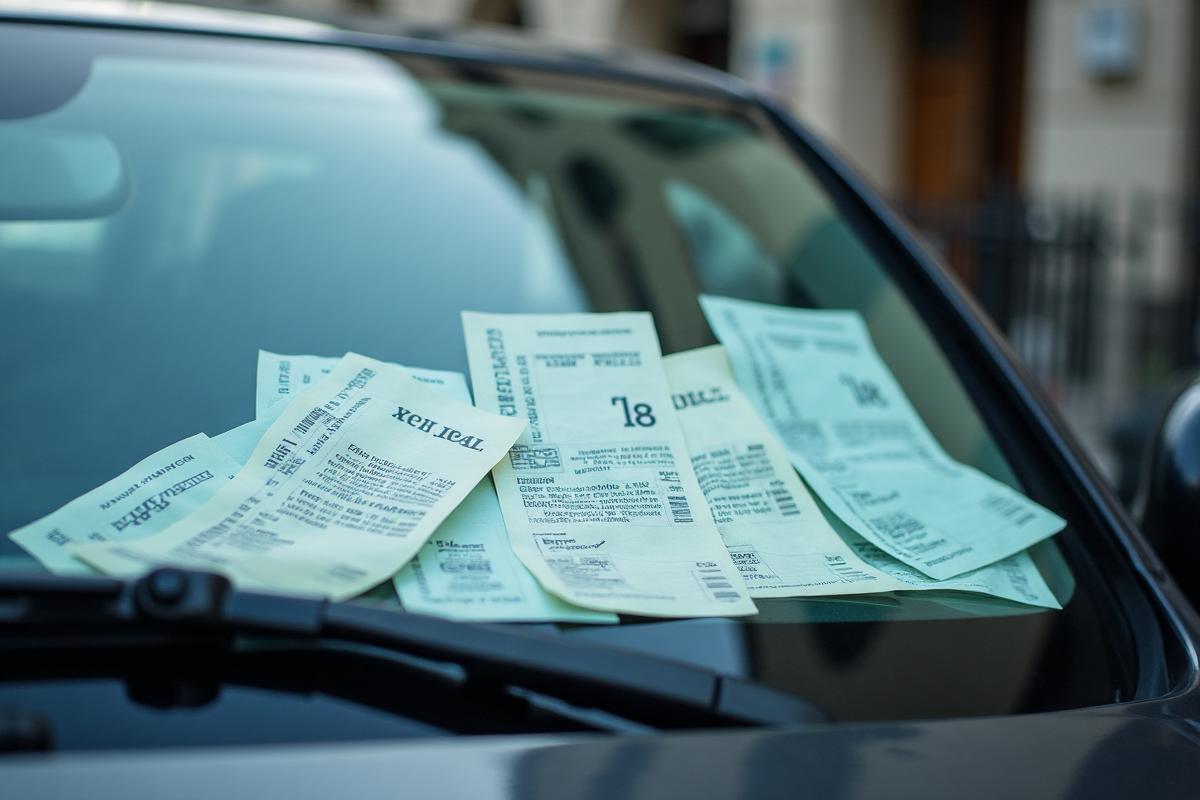
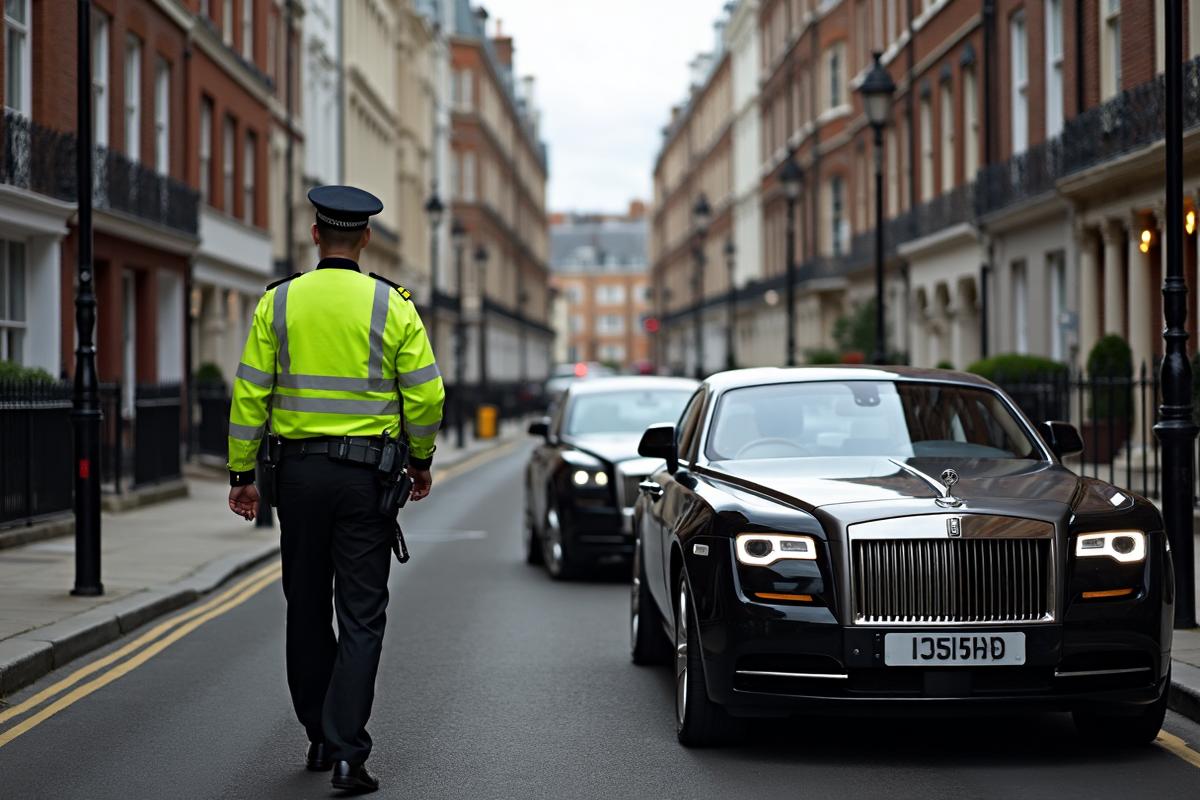
Walk through Mayfair, Knightsbridge, or Belgravia on any given day and you'll witness an absurd theatre: hundreds of luxury cars—Ferraris, Bentleys, McLarens—adorned with parking tickets like expensive jewelry. These £130 fines mean nothing to their owners. What costs a billionaire living in a £50 million penthouse the same as a nurse working a 12-hour shift at St. Mary's Hospital makes no economic, moral, or practical sense.
The irony is stark: while these wealthy visitors and residents fuel London's micro-economies—spending thousands in boutique shops, Michelin-starred restaurants, and luxury services—our parking enforcement treats them identically to the very people serving them. The barista who overstays by two minutes faces the same penalty as the oligarch who parks wherever convenient.
The Economic Reality
London's small shops and boutiques are vanishing at an alarming rate. The billionaires who once treated Harrods like their personal shopping mall, who kept Bond Street's independent jewelers afloat, who made reservations at family-run restaurants—they're moving to Monaco, Dubai, and Singapore. With them goes the economic lifeblood that sustains London's unique retail character.
These aren't just statistics—they're the fabric of what makes London, London. Every shuttered boutique, every family business replaced by another chain store, represents a loss of the city's cultural DNA. Yet our parking system treats the very people whose spending could save these businesses as if they were students struggling to pay rent in Zone 4.
The Working Londoner's Burden
Meanwhile, the people who actually work in central London—the ones who serve in those restaurants, who manage those boutiques, who keep the city functioning—face a parking enforcement system designed as if everyone has unlimited wealth. A £130 fine for a healthcare worker who stayed two minutes over while rushing between hospital shifts isn't justice; it's punishment for existing in the wrong economic bracket.
The Human Cost
For working Londoners, that £130 parking fine represents:
- • A week's worth of groceries
- • A month's mobile phone bill
- • Two days' childcare costs
- • The difference between paying rent on time or facing late fees
These parking hawks—enforcement officers who stand watching cars with military precision, waiting for that final minute to expire—have created an atmosphere of fear and stress that permeates working life in central London. The psychological burden of knowing that a moment's inattention could cost a day's wages adds unnecessary anxiety to already challenging urban living.
A Sensible Solution
The answer isn't to eliminate parking enforcement—it's to make it economically rational and socially just. Yes, fine the billionaires. Fine them heavily. Make those luxury car parking violations actually sting. A £1,000 fine for a Lamborghini owner who treats Sloane Street like their personal driveway makes far more sense than £130 that they'll never even notice.
Current System
- • Billionaire in £200k car: £130 fine
- • Nurse between shifts: £130 fine
- • Shop worker 2 minutes late: £130 fine
- • Oligarch parking illegally: £130 fine
One size fits none—economically irrational
Wealth-Adjusted System
- • Luxury cars (£100k+): £500-1,000 fine
- • Local worker protection: Warning system
- • Minor overstays: £20-50 maximum
- • Repeat luxury offenders: £2,000+ fines
Penalties that reflect economic reality
A Graduated System That Works
- Luxury Vehicle Premium: Cars over £100k value pay 5x standard fine
- Resident Worker Protection: Local employees get warning system for minor overstays
- Tourist Deterrent: Rental cars and foreign plates face enhanced penalties
- Economic Contribution Credit: Regular local business patrons eligible for leniency
Protecting Local Culture
This isn't about class warfare—it's about economic sustainability. London needs both its billionaires and its baristas. But the parking system should acknowledge that these groups have vastly different abilities to absorb financial penalties and vastly different relationships with the city's economy.
The wealthy visitors and residents who can afford £50 million properties can certainly afford parking fines that reflect their means. More importantly, properly calibrated fines from this demographic could fund improvements to parking infrastructure and public transport that benefit everyone.
The London We're Losing
Every small business owner who can't afford to work in their own neighborhood due to parking stress, every healthcare worker penalized for serving the public, every teacher fined for staying late to help students—these are the real costs of a parking system that treats inequality as if it doesn't exist.
Meanwhile, the economic drivers who could sustain London's unique character face no meaningful deterrent to inconsiderate parking. They treat fines as a minor convenience fee while the people who serve them face genuine financial hardship for the same infractions.
Implementation: Making Change Happen
For Borough Councils
- Implement vehicle value-based fine structures
- Create local worker identification systems for leniency
- Establish graduated warning systems for minor violations
- Use enhanced fines from luxury vehicles to improve local services
For the Mayor's Office
- Lead citywide implementation of wealth-adjusted parking fines
- Create Transport for London pilot programs in central zones
- Establish tourist vs. resident enforcement differentiation
- Fund small business support from enhanced luxury vehicle penalties
For Working Londoners
- Advocate for economic fairness in local parking policies
- Support businesses implementing worker-friendly parking
- Document cases of disproportionate enforcement impact
- Push for resident worker protection schemes
A Vision for Fairness
London can embrace its wealthy residents and visitors while protecting its working population. We can have effective parking enforcement that actually deters violations from those who can afford to ignore current fines, while showing understanding for the human mistakes of people who can't.
This isn't about becoming a city that penalizes success—it's about becoming a city that recognizes the different realities of its diverse population. The luxury car owner who treats parking fines as pocket change should face consequences that actually matter. The local worker who overstays by minutes shouldn't face financial catastrophe.
The London Model
A parking enforcement system that protects local workers, properly penalizes wealth-based violations, and helps sustain the small businesses that make London culturally unique. Where economic justice meets practical policy, and where the city serves all its people proportionally.
London's parking reform isn't just about fines—it's about what kind of city we choose to be. One that recognizes economic reality, protects working people, and ensures that those with the most means contribute proportionally to the common good. That's not just fair policy; it's fundamental civic sense.
Yes, fine the billionaires. Protect the workers. Save the local culture. That's London at its best.